Booking choice: The Shibuya highlights walk, ★ 4.9 (722). Check dates Compare the options below
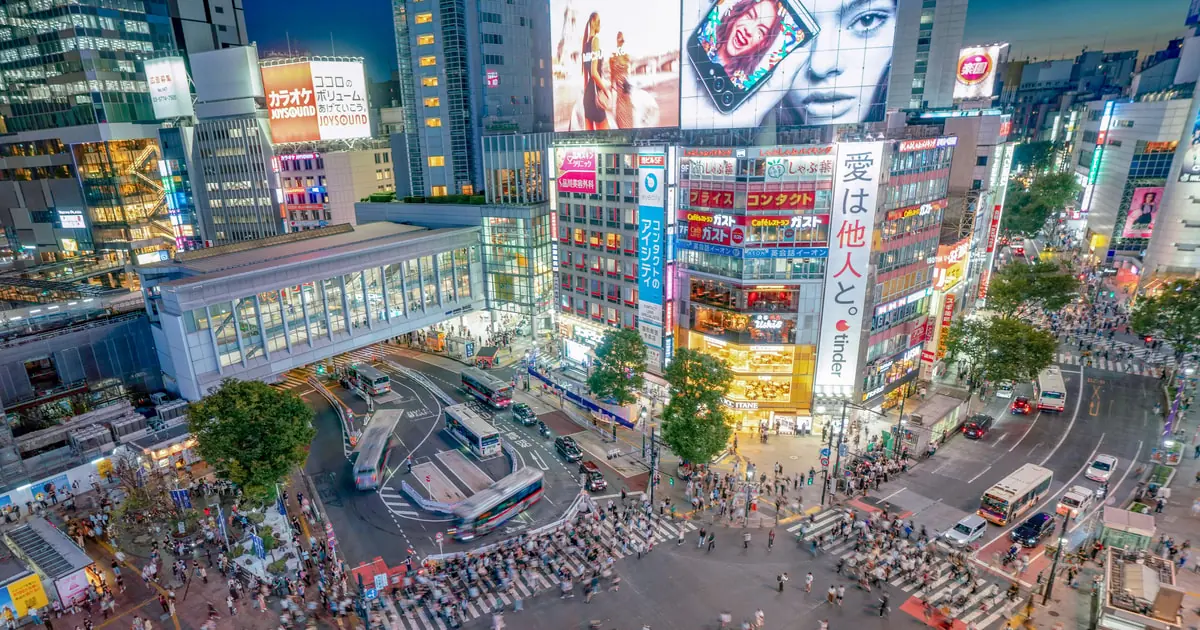
Shibuya Crossing is a public street, open to everyone at every hour, so there is no wrong time to go. There are very different times, though. At seven in the morning you can stand in the middle of the diagonal and count the people around you. On a Friday night the lights change and well over a thousand people step off the kerb together under the giant screens.
This guide goes hour by hour, then covers day against night, how long a crossing takes, the busiest times, rain, how long to spend, Halloween and New Year's Eve, and the seasons. Where to stand once you are there is in where to watch the crossing, and the rooftop above it in the SHIBUYA SKY guide.
The quick answer
Come on a weekday evening between about 5 and 8 pm, or on a Friday or Saturday night, for the biggest crowds and the brightest screens. Come early in the morning, before the shops open, for calm photos and space on the diagonal. The lights stop the traffic roughly every two minutes, the green phase lasts well under a minute, and the 44 m diagonal takes about 40 seconds at a normal pace. Allow 30 to 60 minutes to cross, see Hachiko and watch from one viewpoint, or a couple of hours with SHIBUYA SKY at sunset. Rain is good for photos from an indoor window, but the SHIBUYA SKY rooftop can close in bad weather. Around Halloween, Shibuya City asks visitors to stay away.
What time should I go to Shibuya Crossing?
It depends on what you want to see: early morning for calm and clean photos, weekday afternoons and evenings for the famous crowds, and after dark for the screens and neon at their brightest.
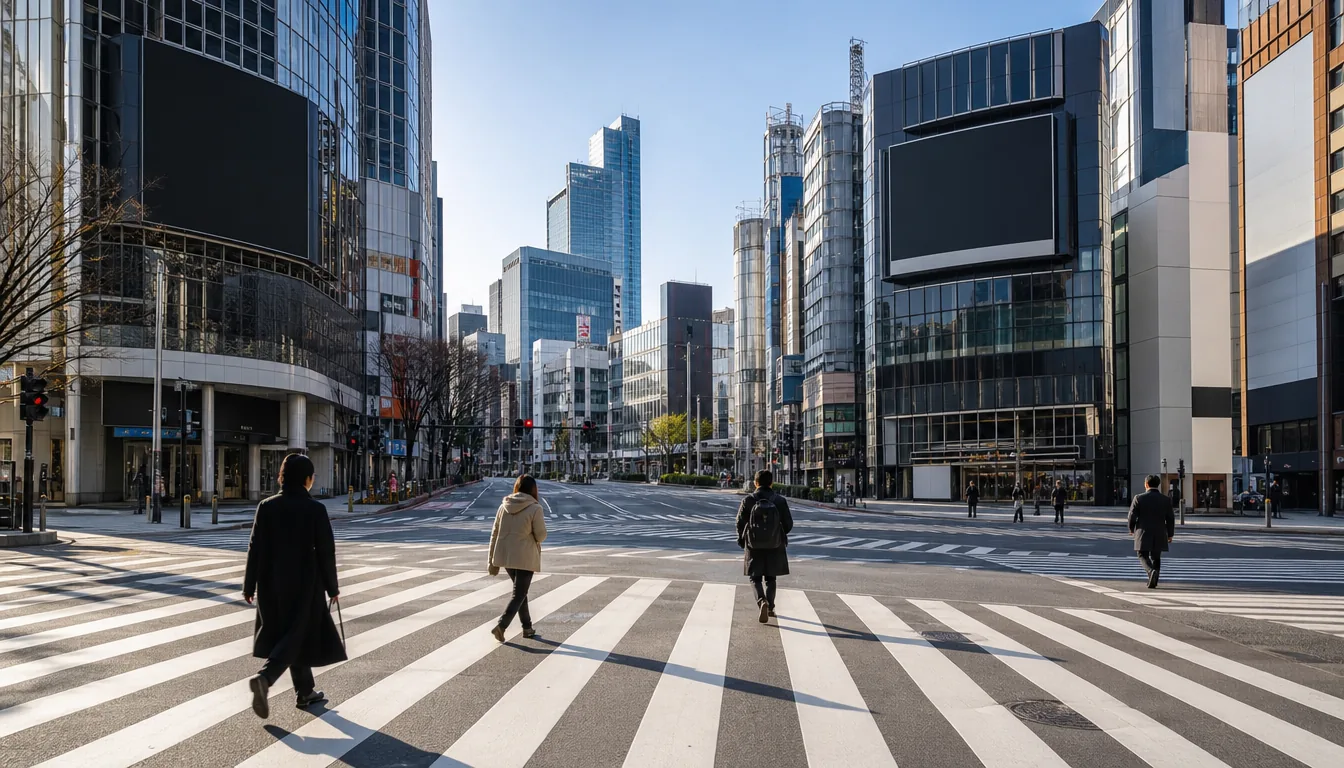
- Early morning, before about 8:00: the quietest time. Delivery vans, a few commuters, and space to film the stripes without a crowd.
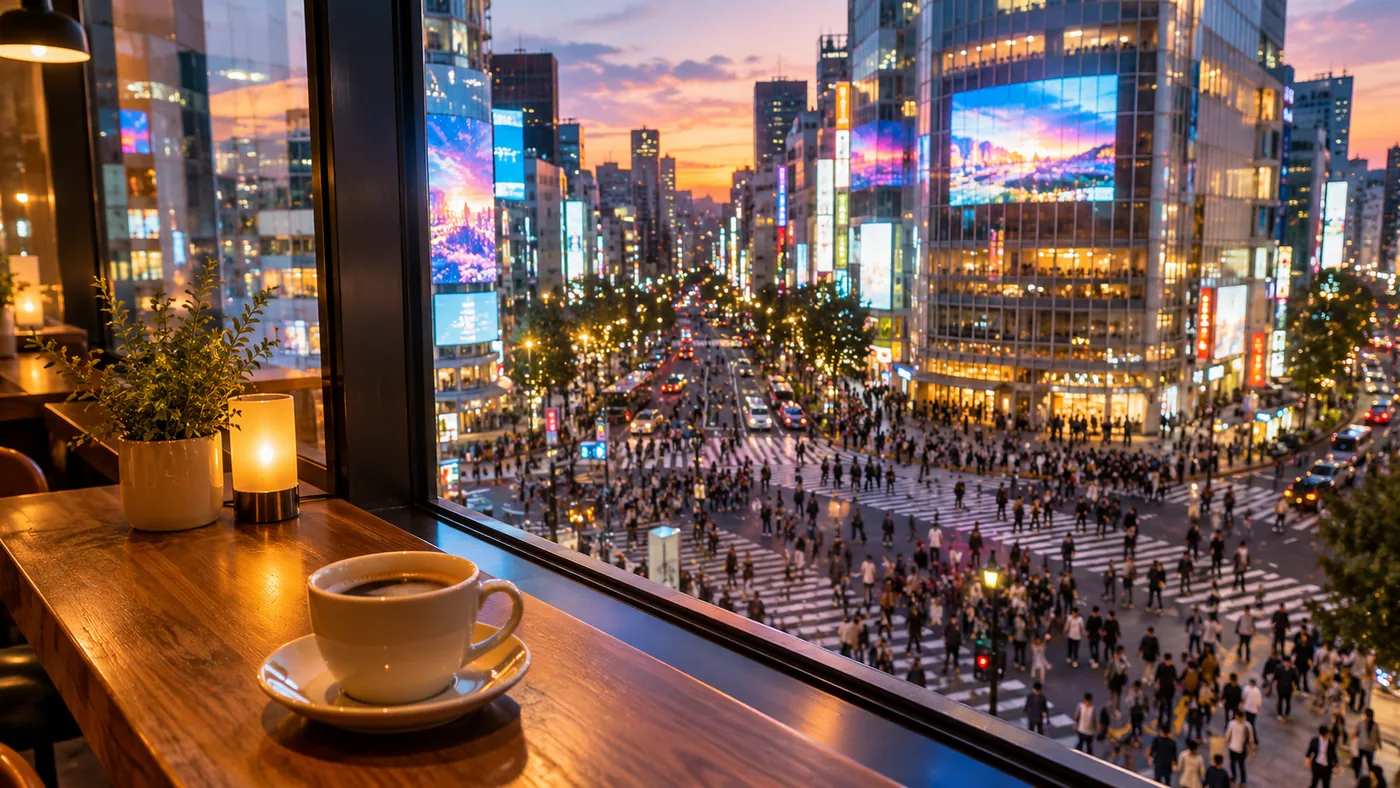
- Late morning: most shops open mid-morning and the crossing fills steadily. A good time to walk it and then watch from the Starbucks window before it gets crowded.
- Afternoon: one of the busiest stretches, especially on weekdays from about 15:00 to 18:00 and around 16:00 on holidays.
- Evening, about 17:00 to 20:00: commuters, shoppers and visitors all at once, with the screens now lit. This is the crossing most people picture.
- Late night: still busy on Friday and Saturday nights, calmer on weeknights. The screens stay on until late.
Is it better to visit the Shibuya Crossing at night or day?
Both, if you can: by day you see the pattern of people crossing from above, after dark the giant screens and neon take over. With only one visit, come around sunset and stay until it is fully dark.
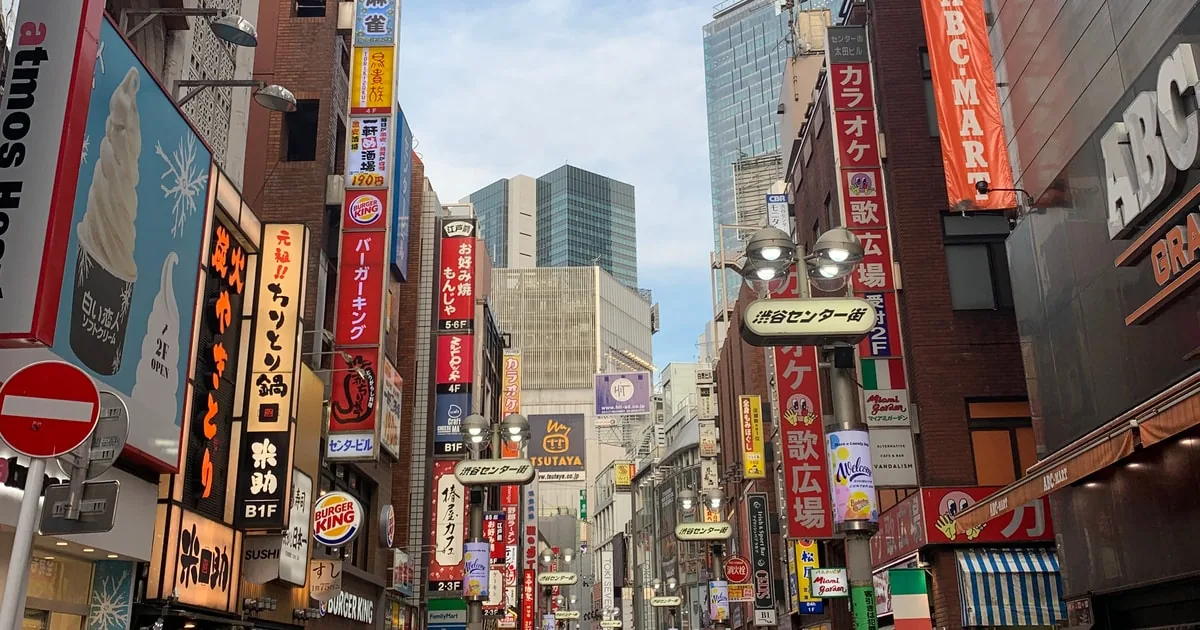
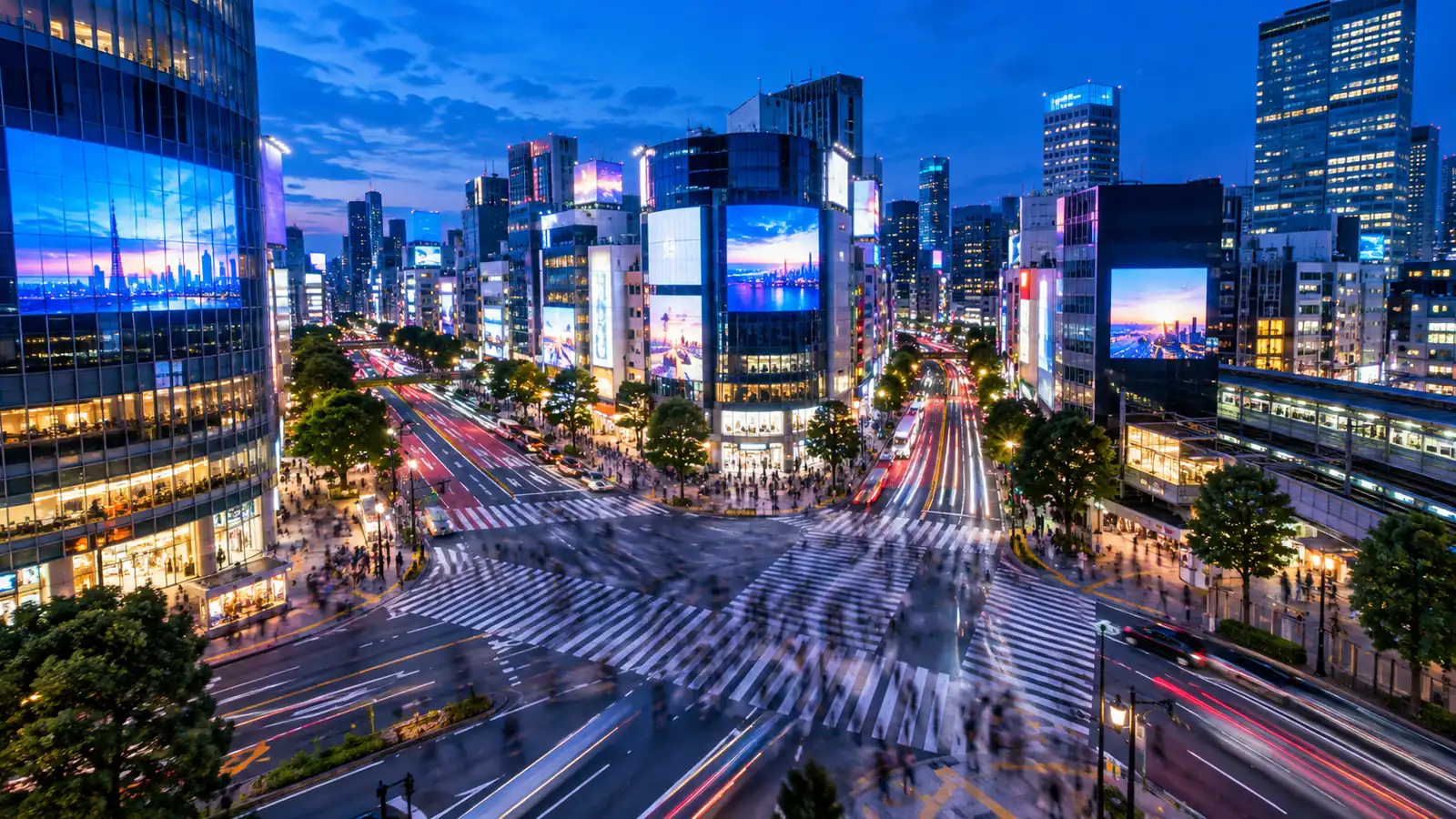
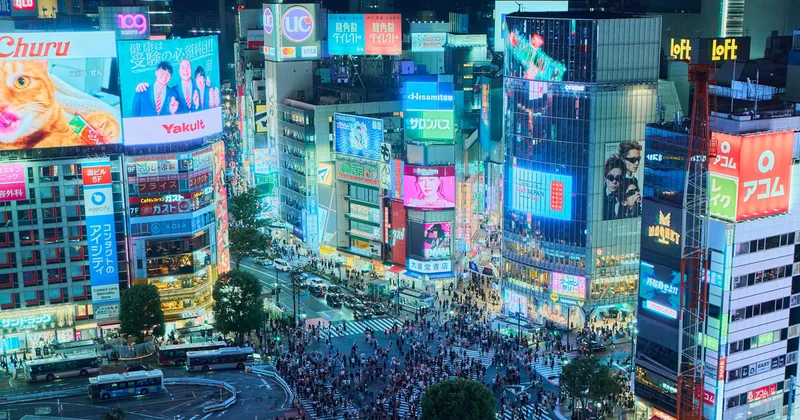
Daylight shows the crossing as a design: five roads, the stripes, the single diagonal and the crowd pouring across in every direction. It is the better time for the view from a window above. At night the details fade and the colour arrives: the screens on every building, the lit shop fronts of Center Gai and the side streets glowing. Reviewers of the most booked walk put it simply, telling others to go for the night-time departure.
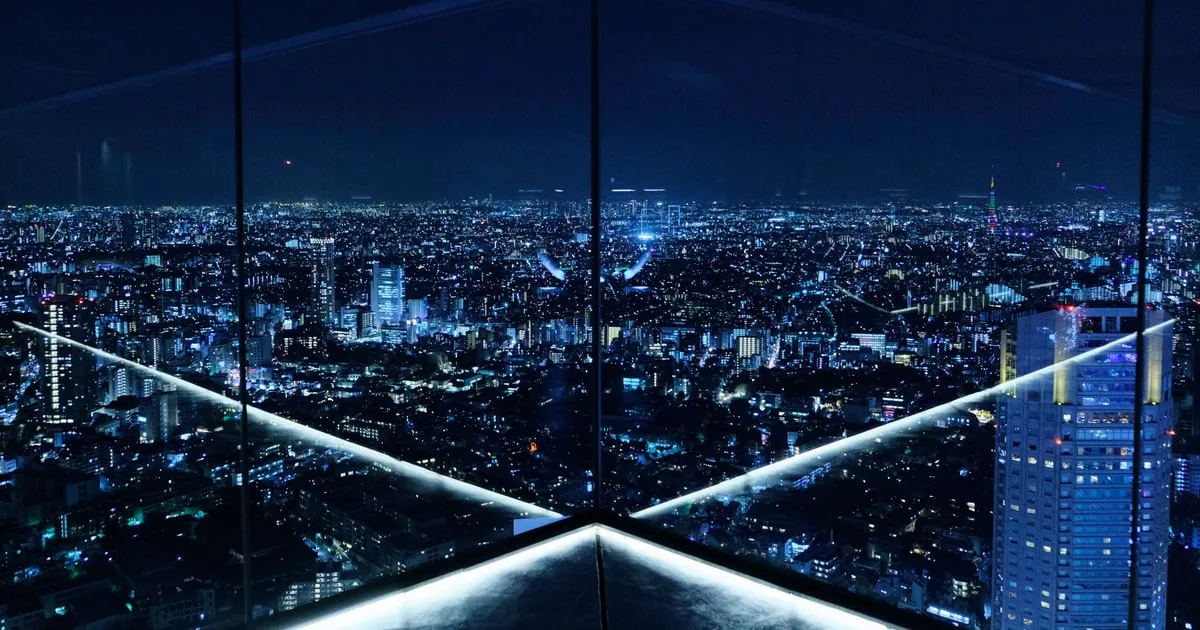
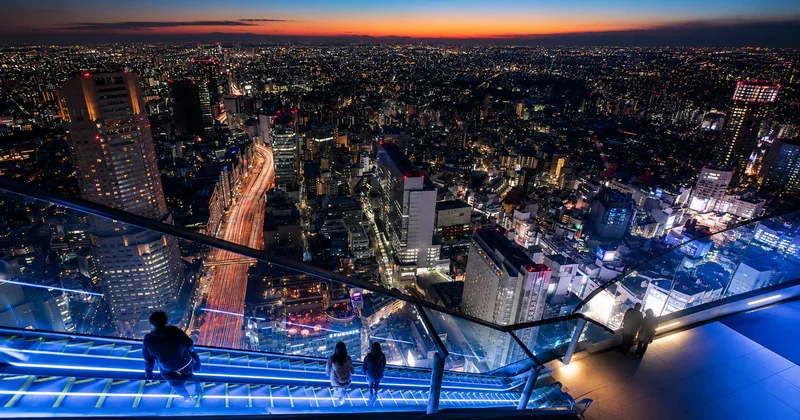
A sunset visit gives you both in one go. Start with a daylight look from above, walk the diagonal as the lights come on, then carry on into the back streets. The SHIBUYA SKY sunset or night tour lets you choose an afternoon, sunset or night departure, with the rooftop entry time set by the slots available.
See the crossing, Hachiko and the back streets with a guide who knows where to stand: the most booked Shibuya walk, rated 4.9 from 722 reviews.
Check dates for the Shibuya highlights walkHow long does it take to cross Shibuya Crossing?
About 40 seconds for the longest walk, the 44 m diagonal, at a normal pace. The lights change roughly every two minutes and the green phase lasts well under a minute, so keep walking and never stop in the middle.
The crossing sits where five roads meet in front of the station, so there are five crosswalks and one diagonal, not an X. When the pedestrian lights turn green, every car stops and everyone crosses at once in every direction. The green phase changes with the time of day and how busy it is, so do not count on a fixed number of seconds.
Walk it twice: once straight over, once on the diagonal, the path most visitors never take. If you want to film, start recording before you step off, hold the phone in front of you and keep moving. When the green light starts to flash, finish crossing rather than turning back.
| What | Roughly | Good to know |
|---|---|---|
| Full light cycle | About 2 minutes | You never wait long for the next green |
| Pedestrian green | Well under a minute | Varies with the time of day and the crowd |
| The diagonal | 44 m, about 40 seconds | The longest walk; start at the kerb as the light turns |
| Crosswalks | Five, plus one diagonal | Five roads meet here, so there is no X |
When is Shibuya Crossing the busiest?
On weekday afternoons and evenings, and on Friday and Saturday nights. At those times well over a thousand people can cross with each green light; some estimates put the peak at around 2,500 to 3,000.
The figures are estimates rather than official counts, and the famous 3,000 is a peak claim. Estimates for a whole day run to several hundred thousand people, and up to around half a million on the busiest days. In practice, the busiest stretches reported are weekday afternoons from about 15:00 to 18:00 and holiday afternoons around 16:00. The evening commute and weekend nights are generally very busy too, though nobody publishes hour-by-hour numbers.
For the classic shot of a packed crossing, aim for a weekday between about 5 and 8 pm, when commuters and visitors overlap and the screens are lit. If crowds make you uneasy, the view from a window above gives you the spectacle without the jostle.
Is Shibuya Crossing worth seeing in the rain?
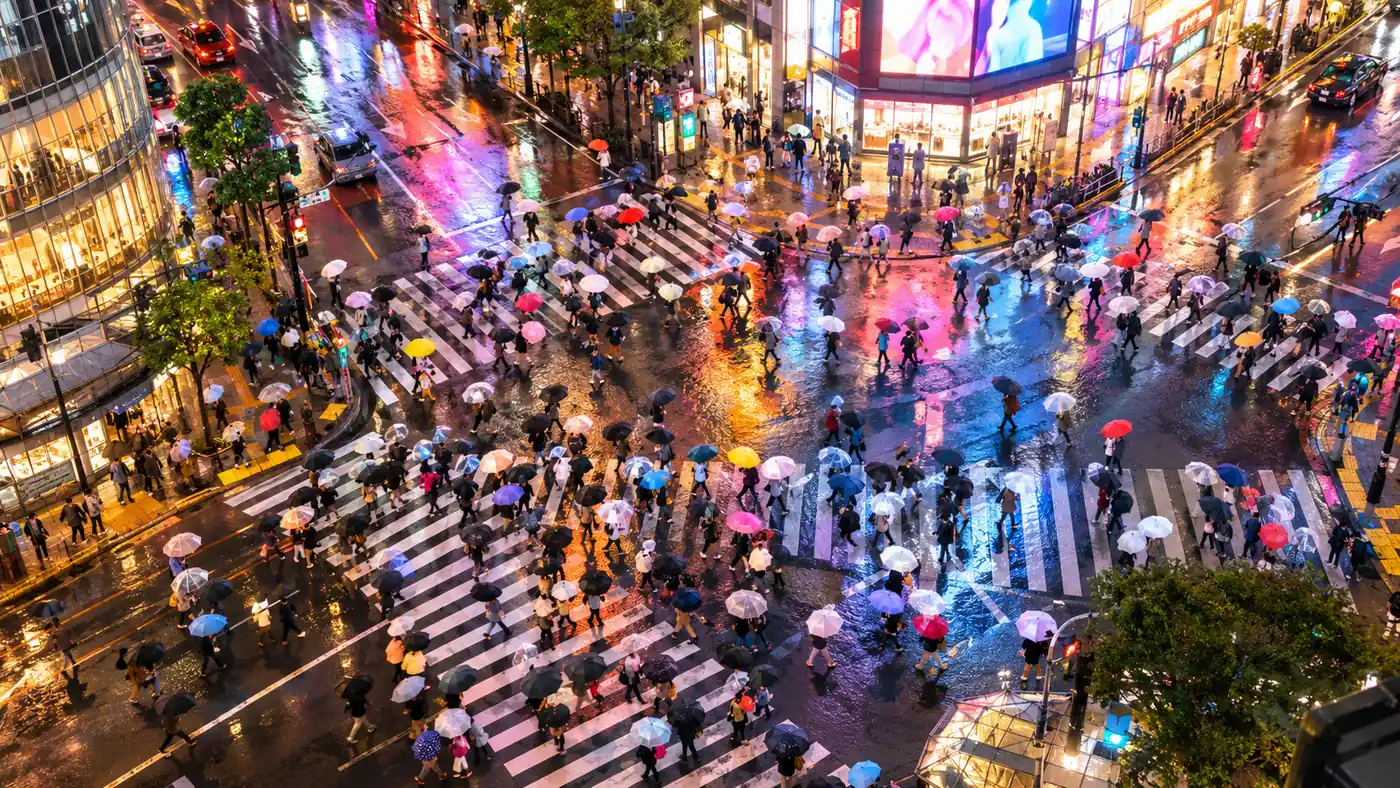
Yes. Rain turns the crossing into a patchwork of umbrellas, one of its most photographed looks, and it is best seen from an indoor viewpoint. The one thing rain can spoil is SHIBUYA SKY, whose open-air rooftop can close in bad weather.
- Where to watch: the Starbucks on the second floor of SHIBUYA TSUTAYA, the glass walkway to Mark City, or the Sky Lobby in Hikarie. All three are indoors.
- Photos: wet roads double the neon after dark. Shoot from under cover, close to the glass, to cut reflections.
- On foot: the crowd moves more slowly under umbrellas, so allow a little more time for each crossing.
- Tours: the most booked walk runs rain or shine, so bring an umbrella. On SHIBUYA SKY tours, a closed rooftop changes the plan: reviewers of one tour describe the group walking the streets instead on rainy nights.
The viewpoints are compared in where to watch the crossing.
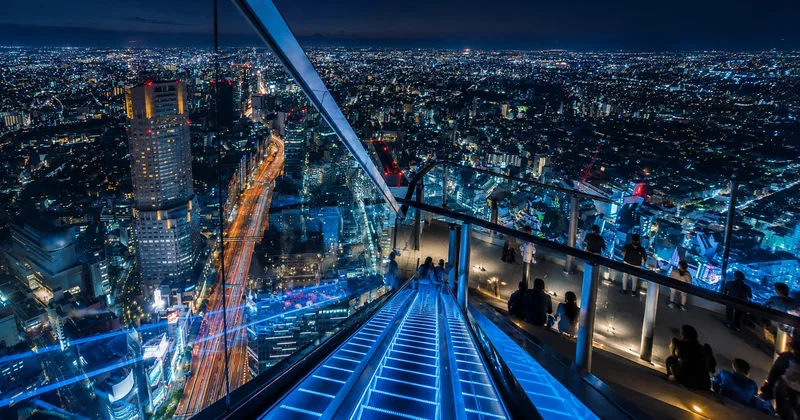
Shibuya After Dark spends an hour in the neon of Center Gai and the Udagawacho back alleys, then an hour on SHIBUYA SKY at night, 229 m up, with help for your photos. Reviewers found the 8 pm departure good for the lights; if the rooftop is closed for rain, the walk carries on. Full refund if you cancel up to 24 hours ahead.
Explore the after-dark neon and skyline tourHow long should you spend at Shibuya Crossing?
Allow 30 to 60 minutes to cross, see Hachiko and watch from one viewpoint. With SHIBUYA SKY at sunset or a guided walk, plan on two to three hours.
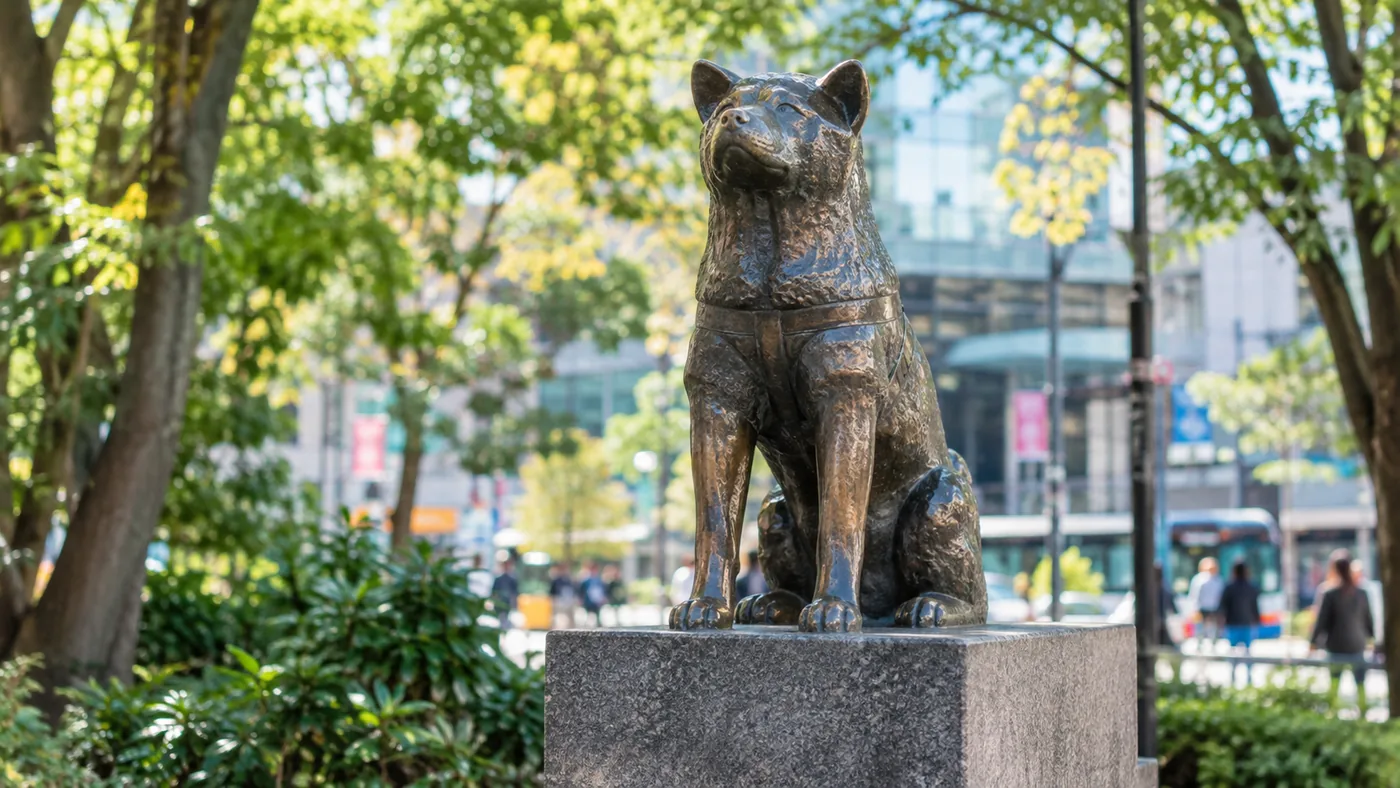
- 30 minutes: Hachiko, the crossing twice (once on the diagonal) and a few minutes at the Mark City window.
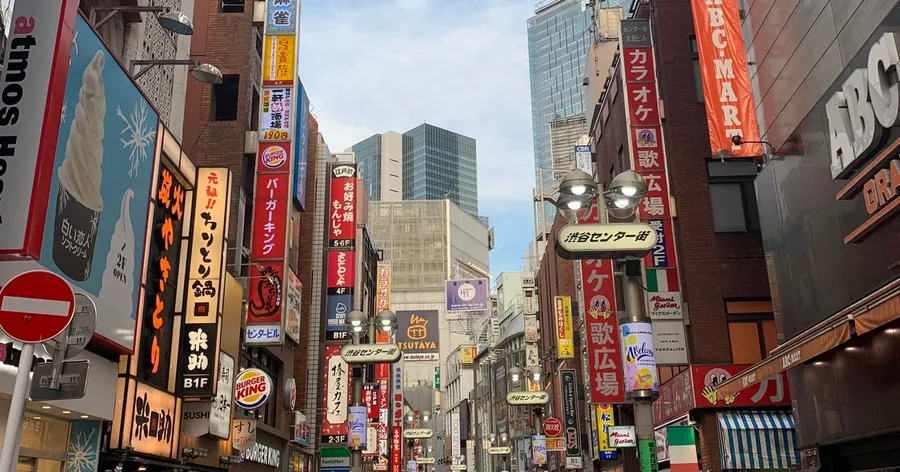
- An hour: add a coffee at the Starbucks window and a first walk down Center Gai.
- Two to three hours: SHIBUYA SKY around sunset (a typical visit is about 90 minutes), then back down to the crossing once the screens are lit.
- An evening: the crossing at dusk, then dinner and small bars. Ideas are in Shibuya at night.
If you want someone else to plan the route, the guided options are side by side in the Shibuya tours compared.
Can you visit Shibuya Crossing at Halloween or on New Year's Eve?
You can still cross, but on both nights the area is managed very differently. Shibuya City asks people not to come to Shibuya for Halloween, and there has been no official countdown at the crossing in recent years.
Halloween: in recent years the ward has fenced off the Hachiko statue, asked shops not to sell alcohol and put up barriers around 31 October, with a large police presence. The plan changes from year to year, so check Shibuya City's announcement, usually out in early October, before you decide. If you want the costumes and the atmosphere, somewhere else will almost certainly be a better night.
New Year's Eve: crowd-control barriers go up, the Hachiko statue has been fenced off, and the nightly street drinking ban applies as on every other night. Expect a heavily managed crowd rather than a party.
The rest of the year, the crossing is simply busy and good-natured, and Shibuya is generally safe to walk at night.
What is the best season to visit Shibuya?
Spring and autumn are the most comfortable for walking, winter has the clearest air for views from above, and summer is hot and humid. The crossing itself is busy all year.
- March to May: mild weather and cherry blossom in the parks nearby; Japanese holiday weeks bring bigger crowds.
- June to mid-July: usually the rainy season, good for umbrella photos from an indoor window.
- July to September: hot and humid; do your walking in the early morning or after dark, and spend the afternoon indoors.
- October and November: settled, pleasant weather; late October is Halloween, see above.
- December to February: cold and often clear, the best time for long views from SHIBUYA SKY. Mount Fuji is sometimes visible on the clearest mornings, but never promised.
For the clearest air, the SHIBUYA SKY morning tour goes up in the morning with the ticket included, then walks you down to the crossing.
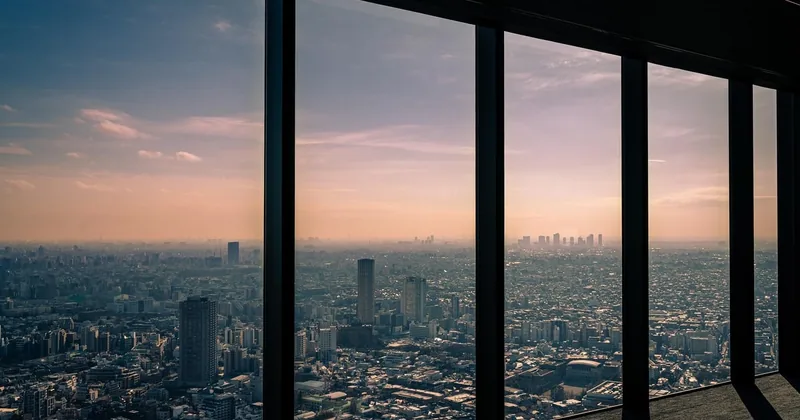
Go up while the air is clearest: a morning SHIBUYA SKY visit with the ticket included, then Hachiko and the crossing.
Check dates for the Shibuya Sky morning tourFrequently asked questions
What is the quietest time at Shibuya Crossing?
Early morning, before about 8:00 and well before the shops open. On weekend mornings it can be almost empty.
Is Shibuya Crossing open all night?
Yes. It is a public street, open to everyone at every hour, and the lights keep cycling through the night. It gets calmer after the last trains, which leave around midnight; check the time for your line.
Does the crossing close in bad weather?
No. The crossing stays open in rain and wind. What can close is the SHIBUYA SKY rooftop above it, which shuts in bad weather or strong wind.
Is Friday or Saturday night better at the crossing?
Both are among the busiest nights of the week, with the screens and neon at full strength. Weekday evenings between about 5 and 8 pm are just as crowded at the crossing itself, with more commuters and fewer revellers.
Ready to book
Choose your tour
Check your date and the live price on GetYourGuide; the refund terms are shown on each option.
Shibuya Highlights Walk & Secret View Spot
- Local English-speaking guide on foot
- The Hachiko statue and its story
- Crossing the scramble with your guide
Shibuya Sky Sunset or Night & Walking Tour
Pick an afternoon, sunset or night departure; entry time depends on the rooftop slot
Shibuya After Dark: Neon Streets & Skyline
An hour in Center Gai and Udagawacho, an hour on SHIBUYA SKY at night